

What Is The Daniel Fast?
The Daniel Fast is a spiritual discipline inspired by the prophet Daniel’s fasting practices in the Bible. Scripture shows Daniel making intentional choices about what he consumed as he sought clarity, strength, and a deeper connection with God. Rather than indulging in royal food and drink, Daniel chose a simple diet of vegetables and water. At another time, he refrained from rich foods, meat, and wine while dedicating himself to prayer.
The modern Daniel Fast is not about rigidly recreating Daniel’s exact meals. It is about mindset, not menu. The heart of the fast is spiritual alignment. Daniel prioritized his relationship with God over physical cravings, choosing spiritual nourishment over comfort and convenience.
The Daniel Fast invites participants to reset spiritually, mentally, and physically by creating space to hear God more clearly. It is a conscious decision to hunger more for spiritual growth than for physical satisfaction. That focus is the true purpose of the fast.
The Guidelines

The most important part of the fast is that you deny yourself physically so that you may seek the Lord in prayer and grow closer to Him.
Your particular fast may look a little different than someone else’s, but that’s ok. Some people may need to be stricter than others in their food choices so that their fast is a sacrifice for them.
These food guidelines are intended to serve as a guide only. They are given to help you create boundaries for your fast.


Foods to Eat:
-
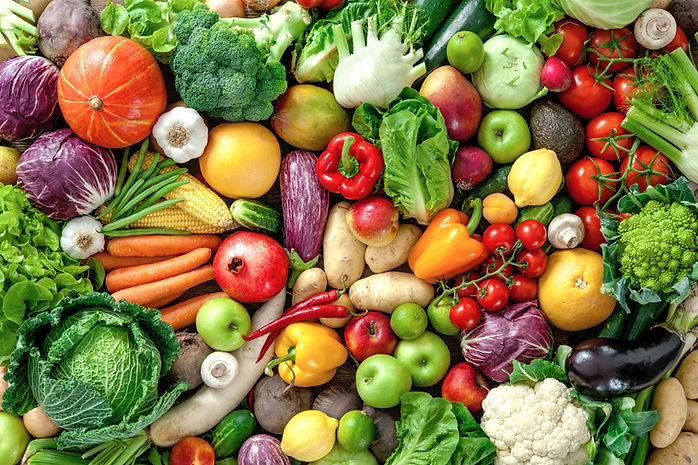
Fruits and vegetables (fresh, frozen, dried, juiced, or canned)
-
Whole grains (amaranth, barley, brown rice, oats, quinoa, millet, whole wheat)
-
Nuts and seeds; nut butters; unsweetened almond milk
-
Legumes (beans, lentils, peas)
-
Quality oils (olive, avocado, coconut, grapeseed, etc.)
-
Beverages: water
-
Other: plant-based milks, herbs, spices, tofu, soy products
Foods to Avoid:
-
Meat and animal products
-
Dairy products
-
Sweeteners
-
Leavened breads and yeast
-
Refined or processed foods
-
Fried foods
-
Solid fats
-
Beverages such as alcohol, coffee, energy drinks, tea, and soda

Recipe Inspiration
Eating during the Daniel Fast can be both nourishing and enjoyable. These Daniel Fast-friendly recipes focus on fresh, plant-based ingredients that support your body while keeping your spirit centered. Expect simple, flavorful meals made with vegetables, fruits, whole grains, legumes, nuts, seeds, and water that help you stay energized and intentional throughout the fast. Check out the recipe suggestions below.